

Hoarding Cleanout Redding CA
We approach every hoarding cleanout with discretion and without judgment. Our goal is to help you or someone you care about reclaim a safe, usable space — not to make the process harder than it already feels. Our hoarding cleanout Redding CA service takes its own careful approach to every job, not a one-size-fits-all crew.
Handling a related situation, like clearing out a loved one’s estate? See our estate cleanout service, which takes a similarly careful approach.
Our team works with discretion, patience, and zero judgment on every job.
What to Expect
What Makes Our Team Different
The right team for this isn’t just about trucks and manpower — it’s about how the job is handled. We keep communication direct and private, avoid bringing unnecessary attention to the property, and never rush a process that’s already difficult.
How Pricing Works for Hoarding Cleanouts
Hoarding jobs are quoted a little differently than a standard cleanout, since the volume and condition of a space can vary a lot from room to room. We’ll walk the property with you (or handle an unmarked walkthrough if you prefer), then give you an honest, upfront price based on truck space and labor — no surprise add-ons once we start. See our general pricing page for a sense of typical ranges.
For Family Members and Caregivers
Many of our hoarding cleanout calls come from adult children, caregivers, or family members coordinating on someone else’s behalf, sometimes alongside an estate cleanout. We’re happy to work directly with you on scheduling and logistics, and to keep the person living in the home informed at whatever pace feels right for your family.
Whether you’re handling this for yourself or helping a family member, reach out whenever you’re ready. Contact us privately →
For more on how California handles waste diversion and recycling standards, see CalRecycle, the state’s recycling and waste management agency.
Related Guides
Hoarding Cleanout FAQ
Call for a free, confidential hoarding cleanout Redding CA assessment.
How We Approach a Hoarding Cleanout
We start with a walkthrough, not a truck. Understanding the scope — which rooms, what’s salvageable, whether there are structural concerns like blocked exits or water damage under the clutter — comes before any hauling starts. From there we work at a pace that respects the person living there, whether that’s clearing everything in one visit or breaking the job into stages over multiple days.
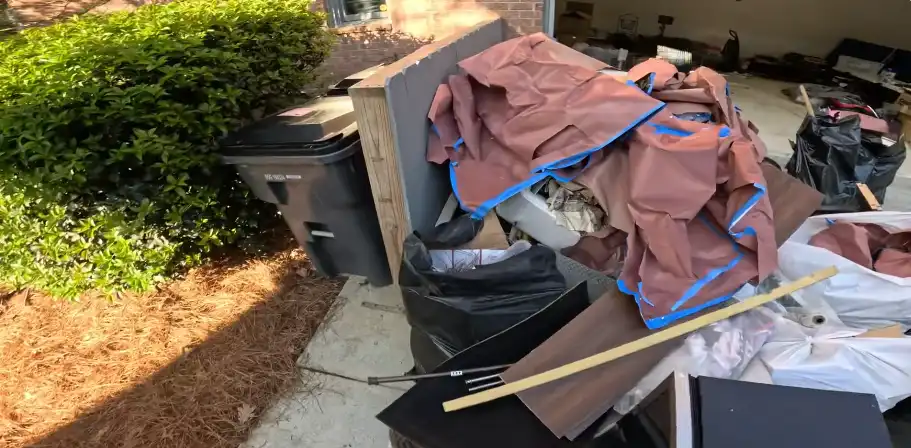
Privacy and Discretion
Our trucks aren’t wrapped in flashy branding, and our crew works quietly and respectfully — we understand a hoarding cleanout is often an emotional, sometimes embarrassing situation for the person involved or their family, and we treat it that way, not as just another job.
What if there are items mixed in that need to be kept or reviewed first?
That’s normal and expected. We’ll set aside anything you flag for review rather than assuming everything goes, and we’re happy to work in stages — clearing pathways and unsafe areas first, then coming back for a second pass once more decisions have been made.
Starting the Conversation With a Family Member
Bringing up a hoarding cleanout with a parent, sibling, or loved one is often harder than the cleanout itself. We’re not counselors, but after enough of these jobs we’ve learned a few things that help: framing the call around safety (a blocked exit, a fire hazard, a fall risk) rather than judgment tends to land better than a general conversation about clutter.
It also helps to let the person know upfront that our crew doesn’t discuss the job with neighbors or make it obvious from the street what kind of job it is — unmarked vehicles, no signage. If it would help to have us explain the process directly to the family member before the day of the job, we’re glad to get on a call.

What Our Crew Does Differently for Hoarding Jobs
We generally don’t bring a large crew in on day one – a smaller team or an initial walkthrough helps us gauge scope and give a realistic timeline instead of guessing, and multi-day jobs are common rather than the exception. We also stay flexible about who’s present: some families want to be there for every decision, while others, especially adult children helping an aging parent, prefer we handle the bulk of the sorting using guidelines given in advance. Either way works – we adjust to what feels right for the people involved rather than pushing one process on every job.