
What Happens to Your Junk After Pickup?
Most junk removal companies say “eco-friendly” without explaining what that actually means. Here’s the honest breakdown of what happens once your junk leaves your property.
Curious about the rest of the process, from your first call to the final walkthrough? See our step-by-step process page.
How Your Junk Gets Sorted
1. Donation First
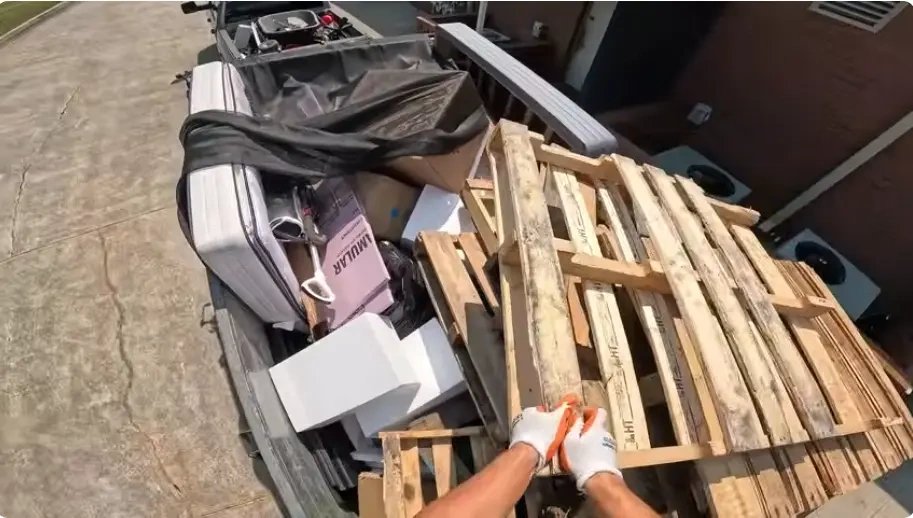
Usable furniture, working appliances, and household goods in good condition get set aside for local donation before anything goes to a landfill.
2. Recycling Second
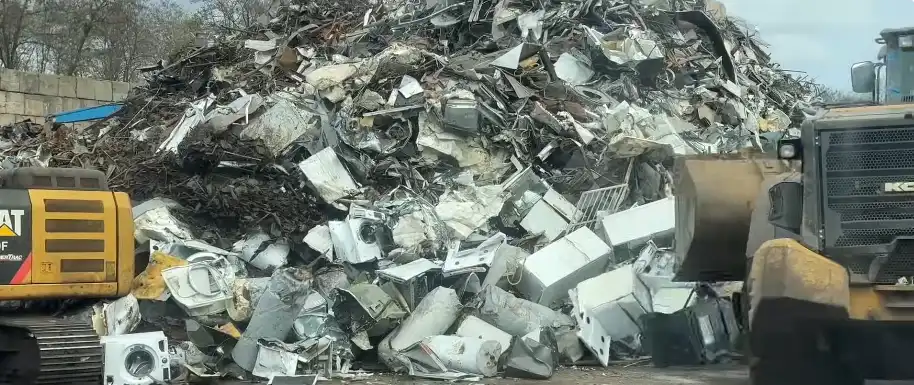
Scrap metal, appliances, and recyclable materials get separated and taken to the appropriate recycling facility rather than the general dump.
3. Landfill Last
Genuinely unusable, non-recyclable material goes to a licensed disposal site – the last step, not the first.
Related Guides
Frequently Asked Questions
For more on how California handles waste diversion and recycling standards, see CalRecycle, the state’s recycling and waste management agency.
Now you know what happens to your junk after pickup — get a free quote and see the process for yourself.
What Happens to Your Junk After Pickup: How We Decide What Gets Donated
Condition is the deciding factor, not sentimentality — furniture, appliances, and household goods that are genuinely still usable go to local donation partners first. Anything visibly broken, heavily worn, or unsafe (a cracked appliance, water-damaged furniture) skips donation, since no donation center wants unusable items either; it moves straight into the recycling or landfill stream instead.
What Gets Recycled Instead of Landfilled
Metal is the biggest recycling category by weight — appliances, furniture frames, and construction debris all get stripped of recoverable metal before anything else happens to them. Electronics go to certified e-waste recyclers, and mattresses (where a recycling partner is available) get broken down into steel, foam, and fabric rather than landfilled whole.
Can I ask specifically where a particular item ended up?
Ask when booking or on pickup day and we’ll tell you honestly which stream a specific item is headed for — donation, recycling, or landfill — based on its condition and material. We don’t track individual items after drop-off, but we can tell you our standard routing for that item type.
Why “Eco-Friendly” Claims Deserve Scrutiny
Plenty of junk removal companies use the phrase without any process behind it. The honest version: donation and recycling take more time and coordination than just dumping everything at the transfer station, so a company that’s genuinely doing it is usually the one that can tell you specifically where different item types go, not just repeat the word ‘eco-friendly.’ That’s the standard we hold ourselves to on every job.
What You Can Do to Improve the Odds
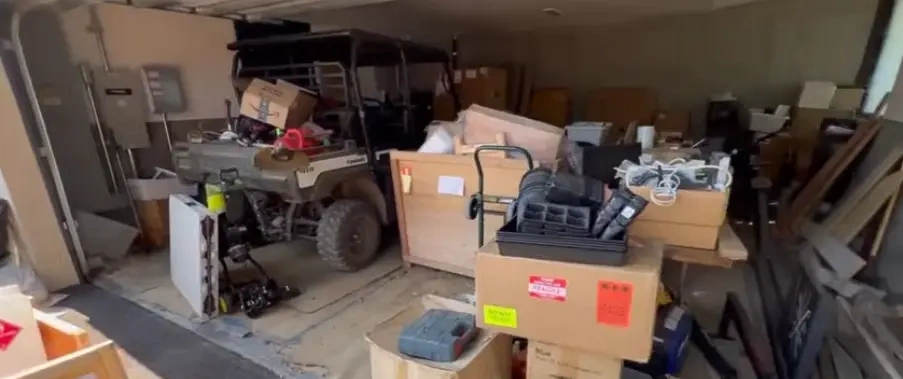
Not everything is within a junk removal company’s control once items leave your property, but a few things on your end make a real difference. Keeping furniture and appliances dry and out of the weather before pickup keeps them donation-eligible instead of water-damaged and landfill-bound. Separating obviously broken items from usable ones, even roughly, speeds up our sorting and means less ends up misclassified.
And if you have anything with sentimental or resale value you’re on the fence about, it’s worth pulling it aside and deciding before pickup day rather than after — once a truck is loaded, sorting decisions are already being made. We’re happy to talk through what’s realistically donatable versus what isn’t during your quote call, so there are no surprises about where things end up.